
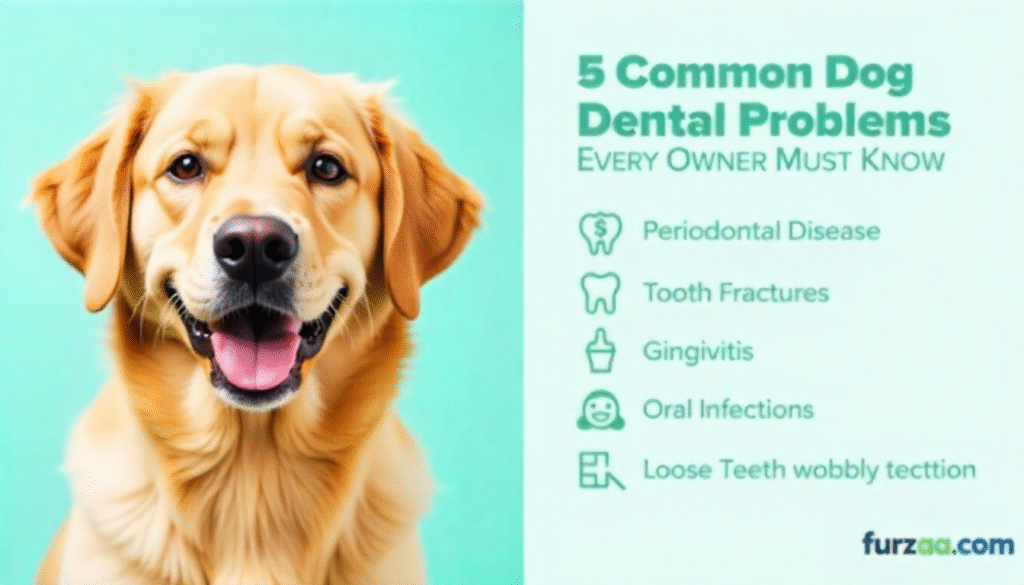
As a dog owner, you’re likely tuned in to your pup’s energy levels, appetite, and coat health. But are you paying enough attention to their teeth? Dental disease is one of the most common health issues in dogs, with over 80% showing signs by the age of three.
The good news? Most dental problems are preventable. This guide will walk you through the five most common dog dental problems, how to spot them, and most importantly—how to prevent them.
1. Periodontal Disease
What it is: This is the most prevalent dental issue in dogs. It begins when plaque hardens into tartar on the teeth. If not removed, the bacteria in tartar can infect the gums (gingivitis) and eventually destroy the bone supporting the teeth.
How to Recognize It:
- Bad breath (halitosis): This is often the first and most obvious sign.
- Red, swollen, or bleeding gums: Especially when chewing or brushing.
- Yellow or brown buildup (tartar) on the teeth.
- Receding gums or loose teeth in advanced stages.
- Pawing at the mouth or difficulty eating.
How to Prevent It:
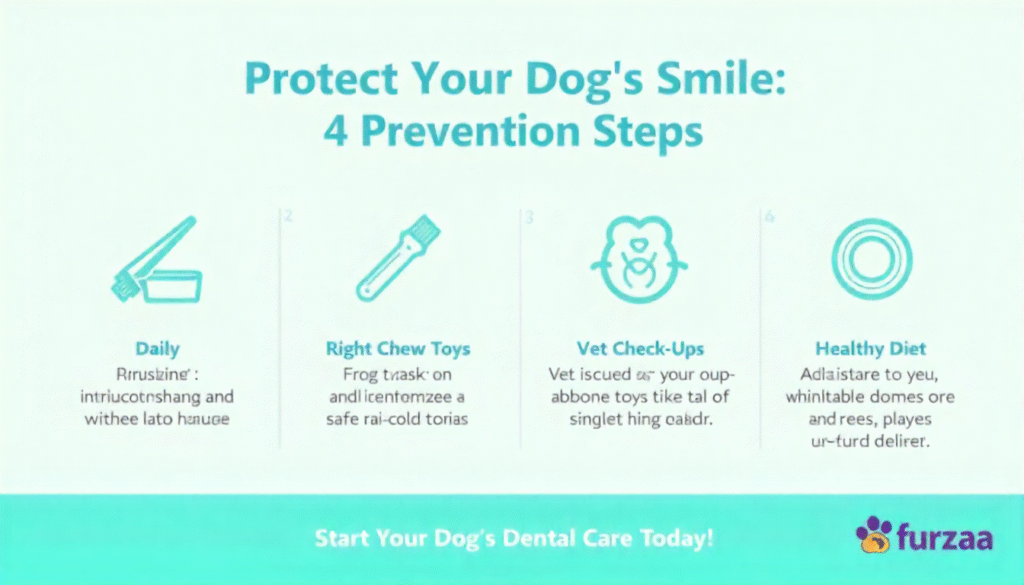
- Daily Brushing: The gold standard for preventing plaque buildup.
- Professional Cleanings: Follow your vet’s recommended schedule for professional cleanings under anesthesia.
- Dental Chews & Toys: Use VOHC (Veterinary Oral Health Council) approved products to help scrape plaque away.
- Dental Diets: Special kibble designed to scrub teeth as your dog chews.
2. Tooth Fractures
What it is: A broken tooth, often caused by chewing on hard objects like antlers, bones, or hard nylon toys.
How to Recognize It:
- Visible crack or break in the tooth.
- Chewing on only one side of the mouth.
- Dropping food while eating.
- Pain or sensitivity when the face or mouth is touched.
- Pawing at the mouth.
How to Prevent It:
- Choose Toys Wisely: Avoid hard, non-bending chews. A good rule of thumb: if you wouldn’t want it hit against your knee, it’s too hard for your dog’s teeth.
- Supervise Chewing: Always monitor your dog with any chew toy.
- Provide Appropriate Toys: Use rubber toys that are firm but have some “give” for safe chewing.
3. Gingivitis
What it is: Inflammation of the gums caused by the buildup of plaque. It is the earliest, reversible stage of periodontal disease.
How to Recognize It:
- Red line along the gum line instead of a healthy pink color.
- Swollen, puffy gums.
- Bleeding when brushing or chewing.
- Bad breath.
How to Prevent It:
- Consistent Oral Hygiene: Daily brushing is the most effective way to remove plaque before it irritates the gums.
- Dental Wipes: If brushing isn’t possible, use dental wipes to clean the tooth surfaces.
- Oral Health Rinses: Ask your vet about antimicrobial gels or water additives.
4. Oral Infections & Abscesses
What it is: A pocket of pus caused by a bacterial infection, often resulting from a fractured tooth or advanced periodontal disease that allows bacteria to reach the tooth root.
How to Recognize It:
- Swelling on the cheek or under the eye (a common sign of an abscessed upper tooth).
- A visible, painful lump on the gum.
- Reluctance to eat, especially dry food.
- Pus or bloody discharge from the gum line or a swelling.
- Lethargy or fever (if the infection is systemic).
How to Prevent It:
- Address Underlying Causes: Preventing periodontal disease and tooth fractures is key.
- Regular Vet Check-ups: Your vet can spot a problem tooth before it becomes infected.
- Prompt Treatment: If you see a fractured tooth, seek veterinary care immediately before an infection can set in.
5. Loose or Missing Teeth
What it is: Teeth that are no longer firmly anchored in the jaw, often due to advanced periodontal disease destroying the bone and ligaments. Puppies naturally have loose teeth as they lose their baby teeth.
How to Recognize It:
- A tooth that is visibly wobbly or out of place.
- A gap where a tooth used to be.
- Difficulty picking up food or chewing.
- Bleeding from the empty socket.
- Excessive drooling.
How to Prevent It:
- Aggressive Prevention of Periodontal Disease: This is the number one cause in adult dogs.
- Provide a Balanced Diet: Proper nutrition supports strong teeth and bones.
- Avoid Trauma: Prevent situations that could lead to mouth injuries.
Your At-Home Dog Dental Check-Up
Once a month, do a quick check of your dog’s mouth. Look for:
- Red Gums
- Broken or Loose Teeth
- Brown Tartar Buildup
- Unusual Bumps or Sores
- Persistent Bad Breath
If you notice any of these signs, schedule a visit with your veterinarian. Early intervention is always easier, less painful for your pet, and more affordable for you.
By being proactive about your dog’s dental health, you’re not just ensuring a prettier smile—you’re safeguarding their overall health and adding happy, healthy years to their life. Start today!