
Introduction
Does your dog’s breath make you recoil? Are you noticing yellow buildup on their teeth? You’re not alone. Canine dental care is one of the most overlooked aspects of pet health, with over 80% of dogs showing signs of periodontal disease by age three. This comprehensive guide will walk you through practical, veterinarian-recommended strategies for maintaining your dog’s oral health at home.
Why Dental Health Matters (More Than Just Fresh Breath)
Many pet owners wonder, “how often should I clean my dog’s teeth?” The answer begins with understanding the risks. Poor oral hygiene doesn’t just cause dog bad breath—it can lead to serious systemic issues. Bacteria from infected gums can enter the bloodstream, affecting the heart, liver, and kidneys. Early signs of trouble include:
- Red or bleeding gums
- Yellow or brown tartar buildup on dog teeth
- Difficulty chewing or dropping food
- Pawing at the mouth
The 5-Pillar Home Dental Care System
Pillar 1: Daily Tooth Brushing (The Gold Standard)
Question: “What’s the best way to brush a dog’s teeth?”
Start with a dog-specific toothbrush (finger brushes work well for beginners) and enzyme-based dog toothpaste (never human toothpaste).
- Technique: Lift the lip gently, brush at a 45-degree angle to the gum line
- Frequency: Ideal is daily, but 3-4 times weekly shows significant benefits
- Pro Tip: For dogs who hate toothbrushing, start with just touching their teeth with your finger, gradually introducing the brush over 2-3 weeks.
Pillar 2: Dental Chews and Toys (The Smart Supplement)
“Are dental chews effective for cleaning dog teeth?” Yes, when chosen wisely. Look for:
- VOHC (Veterinary Oral Health Council) seal
- Appropriate size for your dog’s breed
- Long-lasting dental chews for aggressive chewers
- Textured rubber toys that massage gums while removing plaque
Pillar 3: Water Additives and Oral Sprays (The Easy Boost)
For busy pet parents or dogs resistant to traditional methods, consider:
- Antimicrobial water additives for dogs that fight plaque with each drink
- Chlorhexidine-based oral sprays for targeted treatment
- Natural dog breath fresheners with parsley or mint extracts
Pillar 4: Diet and Nutrition (The Foundation)
“Does dry food clean dogs’ teeth better than wet food?” Partially. While kibble for dental health can help mechanically scrub teeth, specialized dental diet dog food with plaque-fighting enzymes is more effective. Consider:
- Prescription dental diets for dogs with existing issues
- Raw bones for dog teeth cleaning (supervised only, choose appropriate size)
- Dental treats vs regular treats: Understanding the difference
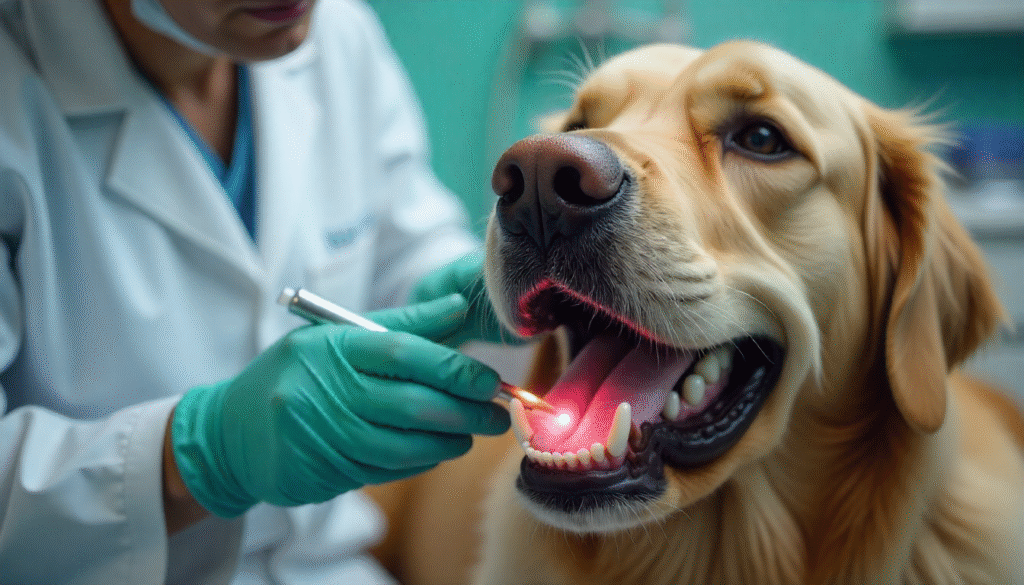
Pillar 5: Professional Cleanings (When Home Care Isn’t Enough)
“How often do dogs need professional dental cleaning?” Most dogs benefit from annual checkups, with cleanings recommended when:
- Tartar covers more than 25% of tooth surface
- There’s significant gingivitis in dogs
- Your vet notices dog tooth decay symptoms
- Dog teeth extraction cost prevention is cheaper than treatment
Common Mistakes to Avoid
- Using human toothpaste (toxic to dogs)
- Assuming dental chews replace brushing
- Ignoring early signs like mild bad breath
- Choosing chews too hard (can fracture teeth)
- Skipping annual veterinary dental exams
Product Spotlight: Building Your Dental Care Kit
For optimal results, combine:
- Dual-ended toothbrush for small and large dogs
- Poultry-flavored toothpaste (most dogs prefer this flavor)
- Daily dental sticks for medium dogs
- Dental water additive for multi-pet households
- Interactive dental toy to engage your dog in the process
FAQ: Your Top Dental Questions Answered
Q: “Can I use coconut oil for my dog’s teeth?”
A: While coconut oil has antibacterial properties, it shouldn’t replace proven methods. It can be used as an occasional supplement.
Q: “How to remove tartar from dog teeth without anesthesia?”
A: For mild tartar, professional non-anesthetic dental cleaning may help, but severe cases require veterinary scaling under anesthesia.
Q: “What age should you start brushing puppy teeth?”
A: Start acclimating puppies to oral care as early as 8 weeks with gentle gum massage.
Q: “Are greenies good for dogs’ teeth?”
A: VOHC-approved Greenies can be effective when used as directed alongside other care methods.
Conclusion: Your Action Plan
Start today with one small step:
- Week 1: Introduce toothbrush without paste
- Week 2: Add toothpaste, brush a few teeth
- Week 3: Full brushing session
- Week 4: Add dental chew or water additive
- Month 2: Schedule veterinary dental assessment
Remember: Consistency beats perfection. Even imperfect, regular dental care dramatically improves your dog’s health, comfort, and lifespan.