
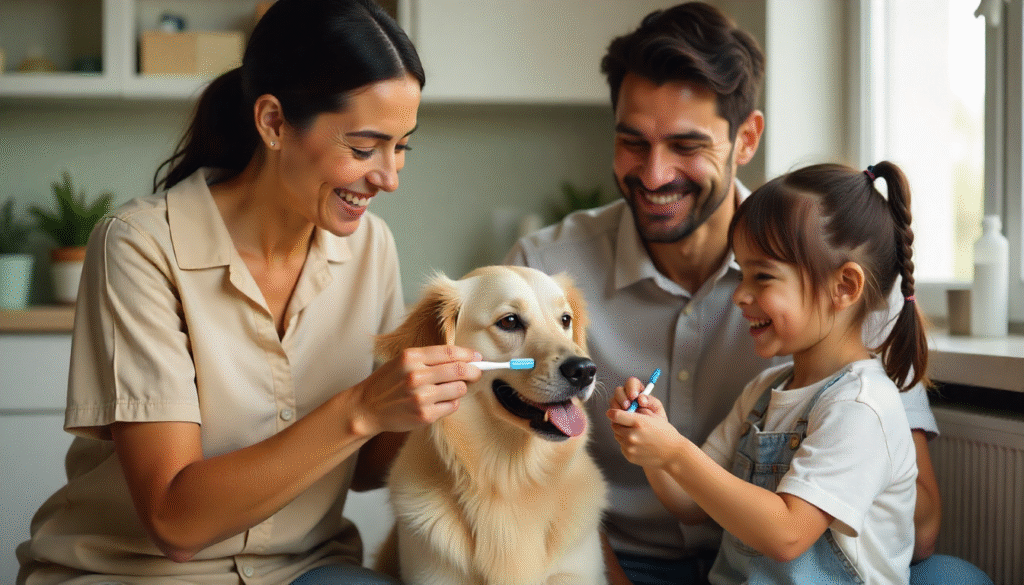
The Aging Mouth: What Changes After Age 8
As dogs enter their senior years (typically 8+ years, earlier for large breeds), their dental needs evolve dramatically. Owners searching for “safe dental cleaning for older dogs with heart murmur” or “gentle teeth cleaning for senior dogs with arthritis” face unique challenges that require specialized approaches.
The 4 Major Age-Related Dental Changes
1. Tooth Structure Weakening
- Enamel thinning: Years of wear reduce protective layer
- Dentin exposure: Increased sensitivity to temperature and pressure
- Root resorption: Common in small breeds, leads to loose teeth
- Search terms: “thin enamel in older dogs dental implications”
2. Gum Tissue Alterations
- Gingival recession: Gums pull back, exposing sensitive root surfaces
- Decreased blood flow: Slower healing, increased infection risk
- Thinner mucosa: More prone to injury during cleaning
- Search terms: “receding gums in senior dogs home care”
3. Jaw Bone Changes
- Bone density loss: Particularly in tooth-bearing areas
- Increased fracture risk: Especially in toy breeds
- TMJ arthritis: Makes mouth opening painful
- Search terms: “jaw arthritis in older dogs dental implications”
4. Systemic Health Interactions
- Reduced immunity: Higher infection risk from dental procedures
- Medication impacts: Some drugs cause dry mouth (xerostomia)
- Chronic conditions: Kidney/heart disease affect anesthesia decisions
- Search terms: “dental anesthesia risks for senior dogs with kidney disease”
The Anesthesia Dilemma: Safer Alternatives
When Anesthesia is Too Risky
For dogs with:
- Advanced heart disease (Stage C/D)
- Severe kidney dysfunction
- Uncontrolled diabetes
- Recent stroke or seizure history
Conscious Dental Options
- Non-Anesthetic Dental Cleaning (NAD):
- For cooperative dogs only
- Limited to supragingival (above gum) cleaning
- Important: Cannot address periodontal pockets or extract teeth
- Search: “non-anesthetic dental cleaning for anxious senior dogs”
- Sedation-Only Procedures:
- Light sedation without intubation
- Allows basic cleaning and extractions of loose teeth
- Requires careful cardiac monitoring
- Search: “light sedation dental work for senior dogs”
- Multi-Visit Approach:
- Spread procedures over several visits
- Address most urgent issues first
- Less physiological stress per visit
- Search: “staged dental procedures for fragile older dogs”
The Pain-Free Home Care Protocol
Modified Brushing Techniques
When Standard Brushing Causes Discomfort:
- Super-Soft Brushes: Use baby toothbrushes or silicone finger brushes
- Warm Water Rinse: Before brushing to soothe tissues
- Angle Adjustment: Brush at 60-degree angle instead of 45 to avoid sensitive gum margins
- Shorter Sessions: 30 seconds twice daily vs. 2 minutes once
- Search: “how to brush senior dog teeth without causing pain”
Alternative Cleaning Methods
- Dental Wipes with Aloe:
- Soothing for inflamed gums
- Can reach back teeth without wide mouth opening
- Product search: “aloe vera dental wipes for sensitive senior dogs”
- Water Additives with Chlorhexidine:
- Antibacterial without mechanical action
- Particularly good for dogs with mouth pain
- Search: “antiseptic water additive for dogs who can’t brush”
- Oral Gels with Pain Relief:
- Contain lidocaine or other topical anesthetics
- Apply before meals to improve eating comfort
- Search: “pain-relieving oral gel for dogs with dental sensitivity”
Nutritional Adjustments for Dental Health
Texture Modifications
- Soft Dental Diets: Prescription foods that reduce plaque
- Moist Food Strategies: Adding water to kibble for easier chewing
- Temperature Considerations: Slightly warm food may be more comfortable
- Search: “best soft food for senior dogs with dental issues”
Supplement Support
- Omega-3 Fatty Acids: Reduce gum inflammation
- Coenzyme Q10: Improve gum tissue health
- Antioxidants: Combat age-related oxidative damage
- Probiotics: Support oral microbiome balance
- Search: “dental supplements for older dogs with health conditions”
The Senior-Specific Dental Emergency Guide
Red Flags Requiring Immediate Attention
- Sudden Facial Swelling: Often indicates tooth root abscess
- Bleeding That Won’t Stop: Could indicate clotting disorder
- Complete Eating Refusal: May signal severe oral pain
- Foul Odor with Lethargy: Possible systemic infection
- Search: “dental emergencies in senior dogs when to go to ER”
Pain Recognition in Older Dogs
Senior dogs often show subtle pain signs:
- Subtle signs: Head tilting, dropping food, rubbing face on carpet
- Behavior changes: Increased sleeping, decreased interaction
- Vocalization: Unusual whimpering or groaning
- Search: “how to tell if senior dog has tooth pain subtle signs”
Cost Management Strategies
Preventive Investment vs. Emergency Costs
| Preventive Measure | Annual Cost | Potential Emergency Saved |
|---|---|---|
| Professional cleaning with pre-anesthetic bloodwork | $400-800 | Tooth abscess treatment ($1200-2500) |
| Dental X-rays annually | $150-300 | Undiagnected root infection leading to jaw fracture ($3000+) |
| Specialized senior dental diet | $200-400 extra/year | Multiple extractions under emergency conditions ($2000-4000) |
| Regular at-home care products | $100-200/year | Periodontal disease treatment ($1500-3000) |
Financial Assistance Options
- Pet insurance: If enrolled before dental issues noted
- Care Credit: Medical credit card for veterinary expenses
- Veterinary school clinics: Often 30-50% less expensive
- Search: “affordable dental care for senior dogs on fixed income”
Quality of Life Assessment Tool
The 5-Point Dental Quality of Life Scale
- Eating: Can eat preferred food without obvious discomfort?
- Playing: Still engages with toys (even if gently)?
- Socializing: Allows face/mouth touching during affection?
- Sleeping: Rest appears restful, not interrupted by oral discomfort?
- Activity Level: Maintains normal daily routines?
Scoring: 4-5 points = Good quality, 2-3 points = Needs improvement, 0-1 points = Urgent intervention needed
End-of-Life Dental Decisions
When Palliative Care is Appropriate
For dogs with:
- Terminal illness with limited life expectancy
- Extreme anesthesia risk with minimal benefit
- Advanced dementia where procedures cause distress
Palliative Dental Options
- Pain management: Long-acting analgesics
- Antibiotic therapy: For infection control
- Diet modification: Complete transition to soft foods
- Oral comfort measures: Regular gentle mouth rinses
- Search: “palliative dental care for terminally ill dogs”
Success Story: Individualized Approach
“Buddy, a 12-year-old Labrador with arthritis and mild heart disease, needed dental care but was high-risk for anesthesia. His veterinarian created a multi-modal plan: 1) Daily chlorhexidine wipes, 2) Prescription dental diet softened with warm water, 3) Quarterly non-anesthetic cleanings, 4) Semi-annual dental X-rays under light sedation. This approach extended his comfortable life by 18 months without requiring full anesthesia.”
The Caregiver’s Guide: Managing Your Own Stress
Common Caregiver Challenges
- Guilt: “I should have started dental care sooner”
- Financial stress: “I can’t afford ideal treatment”
- Decision fatigue: Constant medical choices
- Emotional toll: Watching your companion age
Support Resources
- Online communities: Senior dog caregiver groups
- Veterinary social workers: Some specialty practices offer
- Respite care: Temporary care options for caregiver breaks
- Search: “support for owners of senior dogs with health problems”
Final Perspective: Realistic Expectations
Senior dental care is about:
- Comfort over perfection: Some tartar may be acceptable if dog is comfortable
- Function over aesthetics: Teeth may not be white, but should be functional
- Quality over quantity: Focus on pain-free enjoyment of remaining time
- Partnership with your vet: Regular communication about changing needs
Takeaway: Searching for “dental care options for very old dogs” should lead you to balanced solutions prioritizing comfort and quality of life, not just dental perfection. The goal is keeping your senior companion comfortable and happy through their golden years.