
Does your dog treat the toothbrush like their arch-nemesis? You’re not alone. While daily brushing is the gold standard for canine dental care, many dogs simply won’t tolerate it. The good news is that with a multi-faceted approach, you can still effectively support your dog’s oral health.
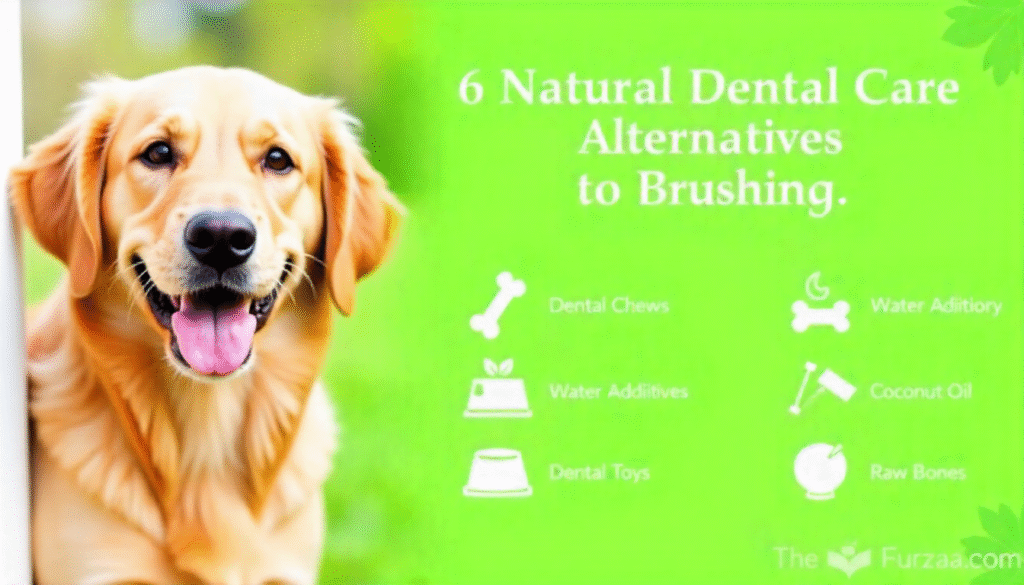
Here are 6 safe, vet-approved alternatives and supplements to traditional brushing that can help keep your dog’s teeth clean and breath fresh.
1. Dental Chews & Treats: The Tasty Scrubbers
How They Work:
Specially designed dental chews have a textured surface and are often made with ingredients that help reduce plaque. As your dog gnaws, the mechanical action helps scrape plaque from the tooth surfaces.
What to Look For:
- VOHC Seal: Choose products approved by the Veterinary Oral Health Council (VOHC), as they have proven efficacy.
- Appropriate Size: The chew should be large enough that your dog can’t swallow it whole but can comfortably chew it.
- Digestible Ingredients: Avoid very hard chews like antlers or bones, which can fracture teeth.
Pro Tip: Look for chews containing enzymes like glucose oxidase, which help inhibit plaque-forming bacteria.
2. Dental Diets: The Power of Kibble Design
How They Work:
Unlike regular kibble, prescription dental diets are designed with larger, fiber-rich kibble pieces that don’t shatter on first bite. Instead, the kibble’s structure allows the tooth to penetrate it, providing a scrubbing action on the tooth surface.
What to Look For:
- VOHC Approval: Several major brands have VOHC-approved dental diets.
- Veterinary Recommendation: These are often prescription foods, so talk to your vet to see if one is right for your dog.
Pro Tip: This is not a free-feeding food. Follow the feeding guidelines to ensure the dental benefits.
3. Water Additives: An Invisible Helper
How They Work:
Think of these as a “mouthwash” for your dog. You simply add a capful of the liquid to
your dog’s drinking water daily. The safe, often enzymatic formula helps to break down plaque biofilm and freshen breath with each drink.
What to Look For:
- Chlorhexidine or Zinc Gluconate: These are effective, safe ingredients.
- Colorless and Odorless: This ensures your dog will still drink the water.
- VOHC Seal: Again, look for the seal of approval.
Pro Tip: Start with a half-dose to ensure your dog isn’t put off by the subtle taste, and always provide a separate bowl of plain water.
4. Dental Toys: Playtime with a Purpose
How They Work:
Rubber toys with grooves and nubs (like the popular “dental sticks”) are designed to be chewed on. As your dog happily chomps, the textured surface massages the gums and helps wipe plaque from the teeth.
What to Look For:
- Flexible Rubber: The toy should have some “give” to avoid tooth damage.
- Textured Surfaces: Look for bumps, ridges, and nubs.
- Durable Material: It should withstand aggressive chewing without tearing apart.
Pro Tip: For added cleaning power, smear a small amount of pet-safe toothpaste or a dental gel into the grooves of the toy.
5. Coconut Oil: The Natural Antimicrobial
How They Work:
Coconut oil contains lauric acid, which has natural antibacterial and antifungal properties. While it won’t scrape away tartar, it can help reduce the harmful bacteria in the mouth that lead to plaque and bad breath.
How to Use It:
- Start with a small amount (½ tsp for a medium dog) to avoid digestive upset.
- Let your dog lick it off a spoon or mix it into their food.
- You can also rub a small amount directly onto their gums and teeth with your finger.
Pro Tip: Opt for organic, cold-pressed, unrefined coconut oil for the best quality.
6. Raw, Meaty Bones & Dental Chews
How They Work:
The act of gnawing and scraping the meat and connective tissue off a raw bone provides excellent mechanical cleaning. It can help scrub the tooth surfaces clean and strengthen jaw muscles.
Important Safety Notes:
- NEVER feed cooked bones, as they can splinter and cause serious internal damage.
- Supervise always. Choose a bone larger than your dog’s mouth to prevent choking.
- Limit sessions to 10-15 minutes to prevent tooth wear.
- Consult your vet first, as not all dogs are good candidates (e.g., aggressive chewers with dental work).
A Safer Alternative: Many companies now offer fully digestible, processed dental bones made from ingredients like corn starch and rawhide alternatives, which are much safer.
Creating a Complete Dental Care Strategy
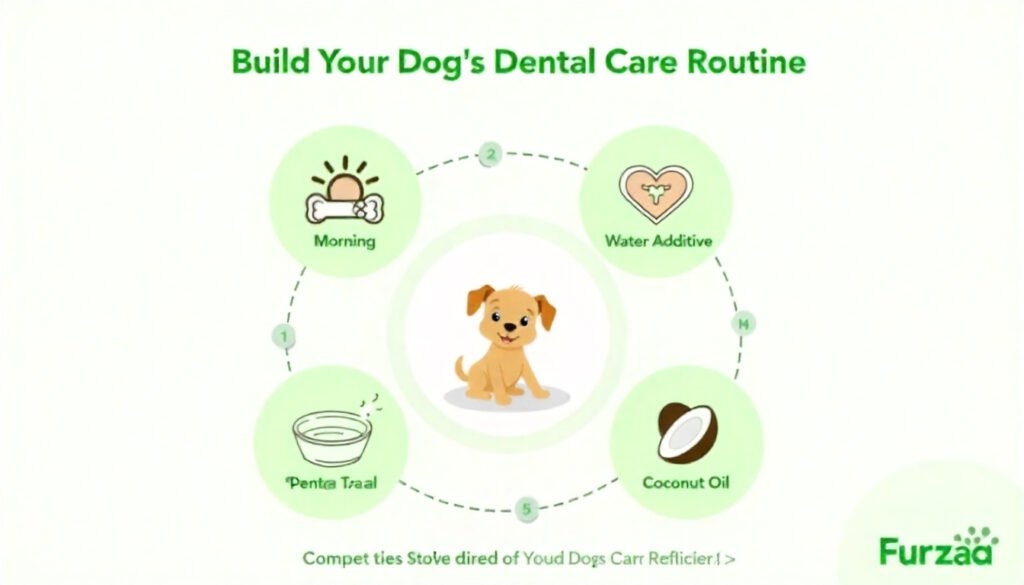
The most effective approach is a multi-modal one. Don’t rely on just one method. Combine several of these alternatives to create a robust dental care routine for your dog.
Example Routine:
- Morning: A VOHC-approved dental chew after breakfast.
- Throughout the Day: Access to a water additive and a textured dental toy.
- Evening: A spoonful of coconut oil with dinner.
Remember, while these alternatives are excellent for maintenance and reducing plaque, they are not a substitute for professional veterinary cleanings when significant tartar has built up. Regular vet check-ups are essential to monitor your dog’s oral health.
By incorporating these natural and effective alternatives, you can fight plaque and gingivitis from multiple angles, giving your brush-averse dog a fighting chance at a healthier, happier smile.